
Projects

Get in touch

Projects

Where each project stands, and the story behind it.

The photographs on this page are illustrative. None shows a Net Zero Stack project, site or partner.

Carbon to Commodity: The CO2 Circular Economy

Turning the CO2 that wineries vent into the soda ash Australia imports.
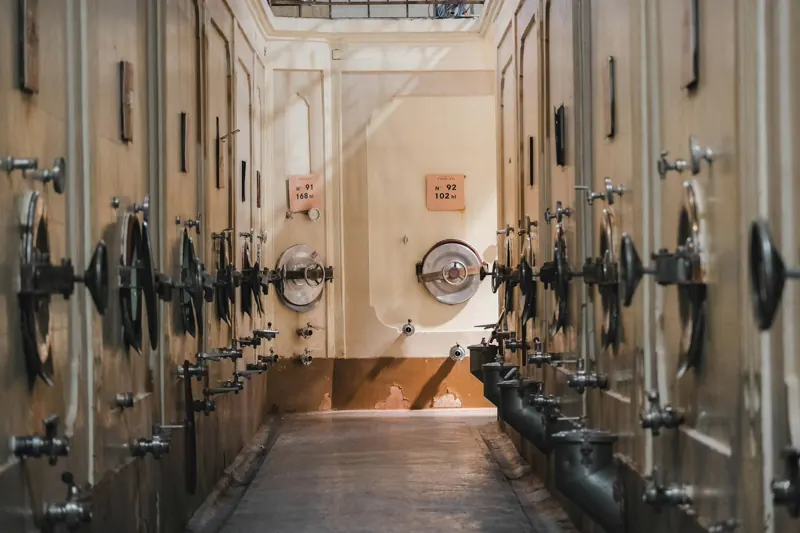
A corridor lined with fermentation tanks in a winery. In progress
Our role
Lead
Runs
April 2026 to March 2029
Organisations
Eight
Readiness
Technology readiness level 4 at the start, 7 by the end

Every vintage, fermenting grapes give off near-pure CO2, and wineries let it go. Australia also uses about 300 kt of soda ash a year, for glass, detergents and chemicals, and makes none of it.1

UCLM in Spain showed the two can meet: its pilots captured 9,000 kg of CO2 and made 21,670 kg of soda ash at over 99.9% purity.2 That plant was centralised. Australia’s wineries are spread across regions, so here the system has to be portable and go to the fermentation.

That takes more than one organisation. Net Zero Stack leads eight of them, from the university leading the research to the Barossa winery that will host the first pilot, with a roadmap for making soda ash in Australia at the end.

  1. ABS, 2022. Australia has no soda ash production of its own.
  2. UCLM’s pilots in Spain (patent EP20382970), as given in the project’s grant application.

Eight organisations in the stack

  • EDIPAE
  • RMIT University
  • Kalleske Winery
  • Gordyn & Palmer
  • CCS Chemicals
  • Carbon Planet
  • Treaty Council Aboriginal Corporation
  • Australian Government
See who does what

Road Wireless Charging

Charging electric cars from the road itself, with no cable.

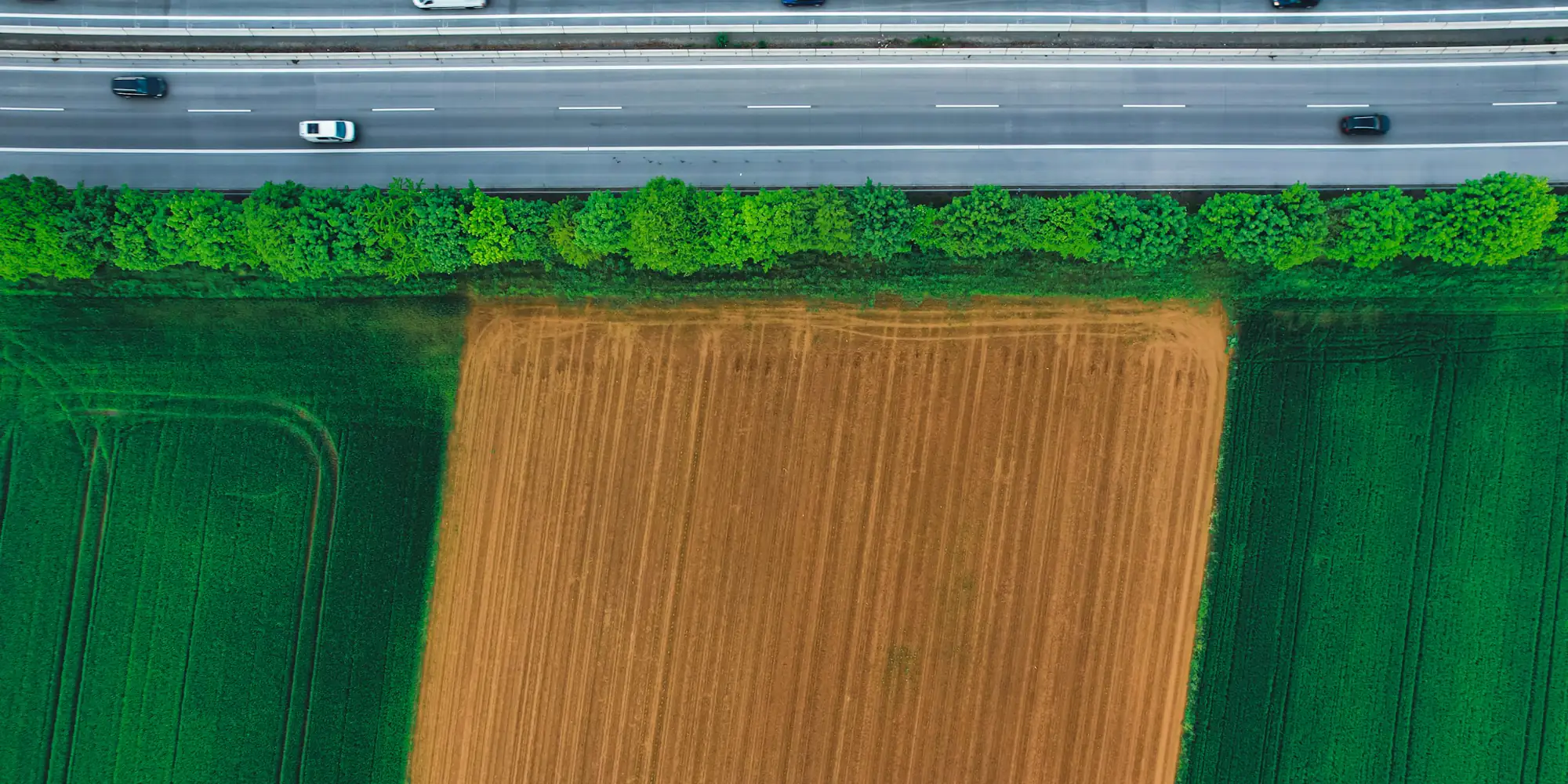
A highway beside fields, from above. In progress
Our role
Partner
Began
About 2023
Stage
Finishing at the end of 2026
Next
A second round from 2027

About three years ago we could see that electric vehicles would need charging without cables. So we backed a project to charge them by induction from the road, to have it ready when the market needs it.

It showed the idea can be commercialised, but not by the route first planned. Building charging into roads is very hard to roll out, so the commercial path has moved to charging pads at chosen sites.

The project is KAI2’s and finishes at the end of 2026. A second round starts next year. Our part is to see it built in the real world.

Hydrogen electrolyser market entry

Our advice to a European electrolyser maker was “not yet”.

Bubbles rising through water. Finished
Our role
Consultant
Client
A European electrolyser maker
Work
Market access, assessment, feasibility and design
Outcome
Advised not to enter Australia yet

Making hydrogen takes electrolysers. A European company makes them, and the machines that manufacture them, and it asked us to help it into Australia.

For more than a year we worked on market access, market assessment, feasibility and design, alongside the Australian utilities that would use the technology.

By the end, Australia had turned its focus away from hydrogen, and Europe and the United States were the stronger markets. We advised the company not to enter Australia yet. It is a result, even if it isn’t a launch: the question was answered before anyone spent money finding out the hard way.

Data centre energy

Data centres are the next big load on the grid. What will power them?

A server rack with green status lights. Early stage
Our role
Lead
Stage
Early
Looking at
Solar and renewables, coal, nuclear

The demand is coming whether the grid is ready or not. We are working out where the energy for Australia’s next data centres can come from: the sun and other renewables, the coal stations still in the system, and nuclear.

It is early work, led by Jen George and Tawab Frahmand, in the same spirit as the charging project: see the need before it arrives, and have an answer ready.

Also working on

  • In progress

    RMIT commercialisation (Tansotec)

    Our role: Partner

    Taking an RMIT technology to market.

  • In progress

    Swinburne engineering hub

    Our role: Key industry partner, alongside Siemens

    Supporting industry through Swinburne’s engineering hub.

Have a technology that’s ready for market?